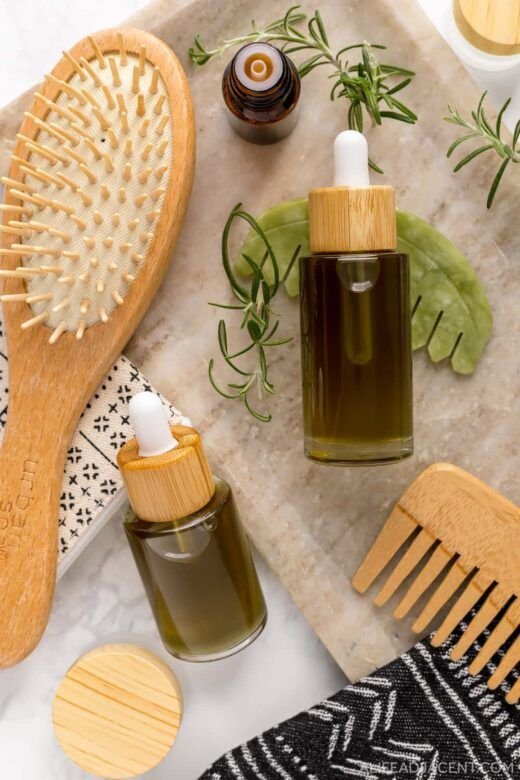
The Ultimate Guide to the Best Hair Care Products of 2024-2025: Science, Sustainability, and Personalization
The quest for the Best Hair Care Products of 2024-2025 is a journey as unique as your fingerprint. In an era where the beauty industry is saturated with thousands of new launches annually, promising miracles from “magic” ingredients and viral trends, finding what truly works can feel overwhelming. The truth is, there is no single “best” product for everyone. The holy grail of hair care is not a specific brand or a luxury price tag; it is a personalized regimen built on an understanding of your hair’s biology, your scalp’s ecosystem, and your specific aesthetic goals.
As we navigate 2024 and look toward 2025, the hair care landscape is undergoing a profound transformation. The industry is moving away from one-size-fits-all solutions and generic marketing claims toward a more nuanced, science-backed, and holistic approach. Today’s best products are those that respect the diversity of hair textures, prioritize scalp health as the foundation of growth, embrace clean and sustainable formulations, and leverage biotechnology for tangible results. This comprehensive guide will delve into the essential categories of hair care, decode the ingredients that matter, and provide a framework for building a routine that transforms your hair from the root to the tip.
Understanding Your Canvas: Hair Type and Scalp Health
Before investing in any product, the critical first step is diagnosis. Using a product designed for fine, oily hair on thick, curly locks will lead to disappointment and potential damage. Hair is generally categorized by its texture (straight, wavy, curly, coily), density (thin, medium, thick), and porosity (low, medium, high). Porosity, often overlooked, refers to your hair’s ability to absorb and retain moisture. Low-porosity hair has a tightly bound cuticle layer that resists moisture, requiring lightweight, liquid-based products and heat to help absorption. High-porosity hair has gaps in the cuticle that allow moisture to escape easily, necessitating heavier creams and sealants like butters and oils to lock hydration in.
However, the most significant paradigm shift in modern hair care is the recognition that healthy hair begins with a healthy scalp. The scalp is an extension of the skin on your face, complete with its own microbiome, oil glands, and sensitivity levels. Issues like dryness, flakiness, excess oil, or inflammation directly impact the quality of the hair strand that grows from it. Therefore, the “best” routine always starts with scalp care. Ignoring the scalp while focusing solely on the lengths is akin to trying to grow a lush garden in depleted soil. Modern diagnostics, including at-home scalp microscopes and AI-driven analysis apps, are now helping consumers understand their scalp’s specific needs, moving us toward a future of truly personalized trichology.
The Pillars of a Modern Hair Care Routine
1. Cleansing: The Gentle Revolution
The era of harsh, sulfate-laden shampoos that strip hair of all its natural oils is fading. While sulfates like Sodium Lauryl Sulfate (SLS) are effective cleansers, they can be too aggressive for color-treated hair, curly textures, or sensitive scalps. The best cleansers of 2024 focus on the “skinification” of hair care, treating the scalp with the same gentleness as facial skin.
Look for shampoos with mild surfactants like glucosides or betaines that clean effectively without compromising the scalp’s moisture barrier. For those with dry or curly hair, co-washing (cleansing with conditioner) or using low-poo formulas can maintain essential lipids. Conversely, clarifying shampoos with chelating agents remain essential for removing hard water minerals and product buildup, but should be used sparingly, perhaps once a week or twice a month. The trend is also moving towards pre-shampoo treatments and scalp scrubs that exfoliate dead skin cells and unclog follicles, ensuring that the hair has the best possible environment to grow.
2. Conditioning and Hydration: Beyond Surface Level
Conditioning is non-negotiable for almost every hair type, but the formulation matters immensely. The best conditioners now go beyond simple detangling to offer reparative benefits. Key ingredients to look for include hydrolyzed proteins (like keratin, wheat, or silk), which are small enough to penetrate the hair shaft and reinforce its internal structure, and cationic surfactants that smooth the cuticle layer to reduce friction and shine.
For deep hydration, modern formulations utilize humectants like glycerin and hyaluronic acid, which draw moisture from the air into the hair. However, in very dry or very humid climates, humectants can sometimes cause frizz, so balancing them with emollients (like plant oils) and occlusives (like silicones or butters) is key. The “best” product here is one that matches your porosity: lightweight lotions for low porosity, and rich creams or masks for high porosity. Leave-in conditioners have also evolved from heavy creams to multi-tasking milks and sprays that offer heat protection, UV filtering, and detangling in one step, streamlining the routine for the modern consumer.
3. Targeted Treatments and Serums
This is where hair care has become most scientific. The market for hair serums and treatments has exploded, mirroring the skincare industry. For hair loss and thinning, topical treatments containing minoxidil remain the gold standard for FDA-approved efficacy, but the natural alternatives market is growing rapidly. Ingredients like rosemary oil, caffeine, saw palmetto, and red clover extract are being studied for their potential to stimulate circulation and block DHT, the hormone associated with pattern hair loss.
For damage repair, bond-building technology has revolutionized the industry. Products that claim to repair disulfide bonds broken during chemical processing are no longer just marketing hype; independent studies have shown that ingredients like cysteamine and maleic acid can indeed restore internal hair strength. Additionally, scalp serums with niacinamide (Vitamin B3) and peptides are gaining traction for improving scalp barrier function and reducing inflammation, which is crucial for creating an optimal environment for hair growth. The best treatment is one that addresses the root cause of your concern, whether it’s breakage, thinning, or dryness, rather than just masking the symptoms.
4. Styling with Integrity
Styling products have historically been associated with buildup, stiffness, and damage. Today’s best styling products aim to protect and enhance while holding. Heat protectants are mandatory for anyone using hot tools; look for formulas that contain polymers that coat the hair to distribute heat evenly and ingredients that can withstand temperatures up to 450°F.
The clean beauty movement has also influenced styling, with brands removing drying alcohols and replacing them with conditioning alternatives. For texture and hold, sea salt sprays have evolved to include hydrating agents to prevent the “straw-like” feel, while mousses and gels now offer “cast-free” finishes that provide hold without crunch. The rise of “skinification” has also reached styling, with products containing skincare ingredients like hyaluronic acid and antioxidants to protect hair from environmental stressors like pollution and UV radiation throughout the day.
The Ingredient Decoder: What to Look For and What to Avoid
Navigating the back of a bottle can be confusing. Here is a simplified guide to the power players in modern hair care:
Heroes to Seek:
- Hyaluronic Acid: A moisture magnet that hydrates the hair shaft and scalp without weighing hair down.
- Ceramides: Lipids that help seal the hair cuticle, locking in moisture and protecting against environmental damage.
- Niacinamide (Vitamin B3): Improves scalp circulation and strengthens the keratin structure of the hair.
- Plant Oils (Argan, Jojoba, Marula): Rich in fatty acids and antioxidants, they nourish the scalp and add shine to the lengths.
- Hydrolyzed Proteins: Repair and strengthen damaged hair by filling in gaps in the cuticle.
Ingredients to Approach with Caution:
- Sulfates (SLS/SLES): Can be too stripping for dry, curly, or color-treated hair, though fine for oily scalps occasionally.
- Drying Alcohols (Ethanol, Isopropyl Alcohol): Often found in hairsprays, they can cause brittleness and dehydration.
- Parabens & Phthalates: While the science on their danger is debated, many consumers prefer to avoid them due to potential endocrine-disrupting concerns.
- Synthetic Fragrances: A common irritant for sensitive scalps; look for products scented with essential oils or labeled “fragrance-free.”
Sustainability and Ethics: The New Standard of “Best”
In 2024, a product cannot be considered the “best” if it harms the planet. The conscious consumer is driving a massive shift toward sustainability. This includes biodegradable formulas that are safe for aquatic life, waterless or concentrated products that reduce shipping emissions, and refillable packaging systems that minimize single-use plastic.
Transparency is also paramount. Brands are increasingly expected to disclose their sourcing practices, ensuring that ingredients like argan oil or shea butter are ethically sourced and that communities involved in the supply chain are fairly compensated. The “best” products are now those that align with the user’s values, offering high performance without compromising on environmental or ethical standards. Look for certifications like Leaping Bunny (cruelty-free), Fair Trade, and B-Corp status as indicators of a brand’s commitment to doing good.
Building Your Personalized Regimen
Ultimately, the best hair care routine is a consistent, mindful practice tailored to your evolving needs. It requires patience; hair grows about half an inch per month, and repairing damage or improving scalp health takes time. Start by identifying your hair type and scalp condition, then select a gentle cleanser and a targeted conditioner. Incorporate a treatment product for your specific concern, whether it’s a bond builder for damage or a serum for thinning. Protect your hair from heat and environmental stress, and don’t forget the importance of a healthy diet rich in proteins, vitamins, and essential fatty acids, as hair health is a reflection of overall internal health.
Listen to your hair. If it feels brittle, add moisture. If it feels limp, clarify or add protein. If your scalp itches, soothe it. The “best” products are the ones that make your hair feel strong, look vibrant, and give you the confidence to wear it however you choose. In the end, great hair care is not about chasing perfection or adhering to rigid trends; it is about nurturing your unique texture with knowledge, compassion, and the right tools, allowing your natural beauty to shine through.
write a content on best hair care products in 2000 words